
Some of the most impactful brand moments today don’t start in meeting rooms but start in comment sections.
They emerge from TikTok memes, niche subcultures, reaction videos, or user-generated chaos. In a Creator Economy shaped by real-time culture and rapid feedback loops, the ability to recognise when not to lead is often what drives the biggest returns.
You don’t need to manufacture the next trend to create impact. Most viral moments don’t start from strategy decks, they start from behaviour a joke, a remix or a reference that picks up speed on its own. What matters is whether a brand recognises the moment early and engages with the right tone and timing.
The Duolingo owl didn’t go viral because of a campaign. It became iconic because the brand consistently shows up in response not by chasing trends, but by owning them once they emerge. That’s not luck. It’s design. Duolingo has built a system around reaction: a recognisable character, a sharp tone of voice, and a nimble in-house content team.
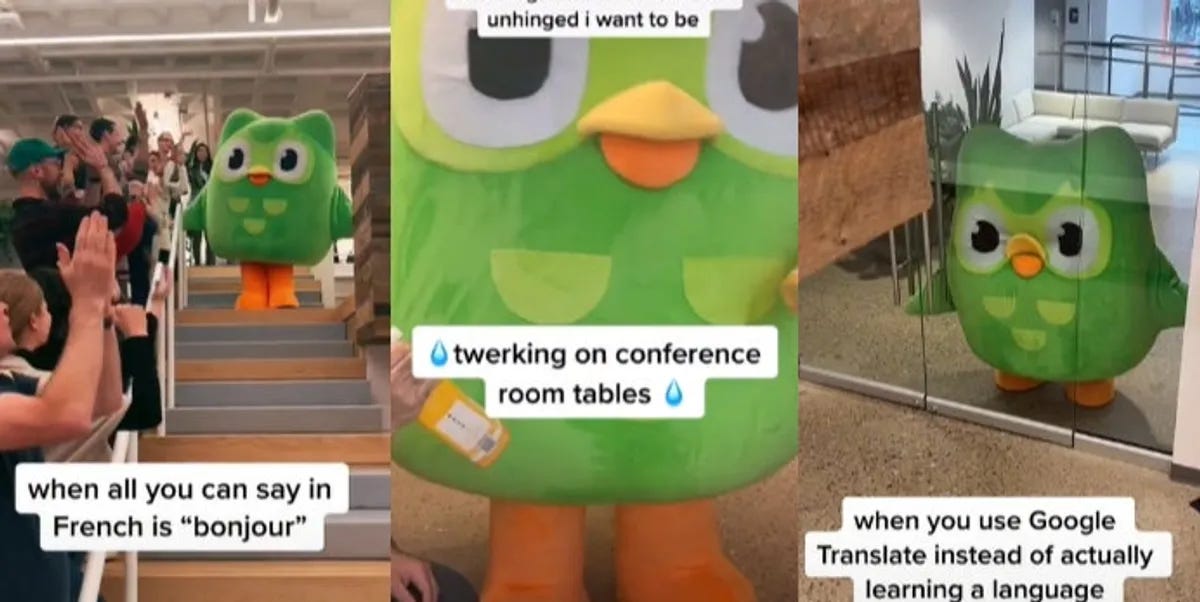
This gives them permission to move fast, experiment freely, and speak the language of the platform without waiting on approvals.
The result:
- over 17 million TikTok followers
- a brand voice that feels native, not forced
- sustained engagement
Community chatter isn’t just a way to spark engagement. It’s also a live feed of how people experience your product, your message, or your tone sometimes before your internal teams have even aligned on it. Audiences aren’t waiting for focus groups, they’re already testing your work in public.
When Creators or users surface unexpected behaviours, the most agile teams act quickly:
- highlighting UGC that reflects real use
- adjusting messaging to reflect what’s resonating
- engaging directly through comments, reactions, or content remixes
This isn’t about control. It’s about momentum.
Let’s take Wendy’s and Ryanair (I know always Ryanair). They don’t broadcast, they participate. Both brands have built high-engagement communities not by posting more, but by treating every reply, joke, or meme as a brand moment. They move fast, sound human, and rarely over-explain. The audience responds in kind: more comments, more shares, more organic amplification.
This same energy applies to Creators. In many cases, they are the ones setting the tone, surfacing the trends, and shaping the conversation before brands even notice it.
They’re not just content producers they’re embedded in the culture loops where these moments begin. Which is why brand–creator partnerships should not be built around pushing content. They should be built around shared access to cultural momentum, timing, and audience trust.
If creators are the ones shaping cultural moments in real time, the role of the brand isn’t to brief them into static content. It’s to co-create systems that allow them to respond, remix, and participate on their own terms.
That might mean:
- bringing creators in earlier, not just at amplification stage
- giving them more creative autonomy in how they engage with the conversation
- building campaign structures that leave space for reactive formats and UGC layering
Cultural resonance rarely comes from control. It comes from trusting the people already inside the conversation and designing the collaboration to move at their speed.
